
How to Prepare for an Actor Headshot Session
A great acting headshot is not mainly about looking “pretty.” It is about showing casting directors and talent agents an accurate, current version of you that they can cast. Industry guides from Backstage and Spotlight say the same thing in different words: your photo should look like you, read your type quickly, and still work when it is shrunk to a tiny thumbnail in a crowded submission gallery.
If you are booking (or rebooking) actor headshots in Florida or submitting to East Coast casting, preparation is what separates a usable set from a pretty set you never send. Casting networks and photographers who work with actors stress planning wardrobe, hair, makeup, sleep, and type before you walk into the studio—not winging it on the day (Casting Networks; Backstage: what to wear).
This guide walks you through how to prepare for an actor headshot session step by step: what to do a week out, what to pack, how commercial and theatrical looks differ, and how to stay relaxed enough that your eyes actually read on camera.
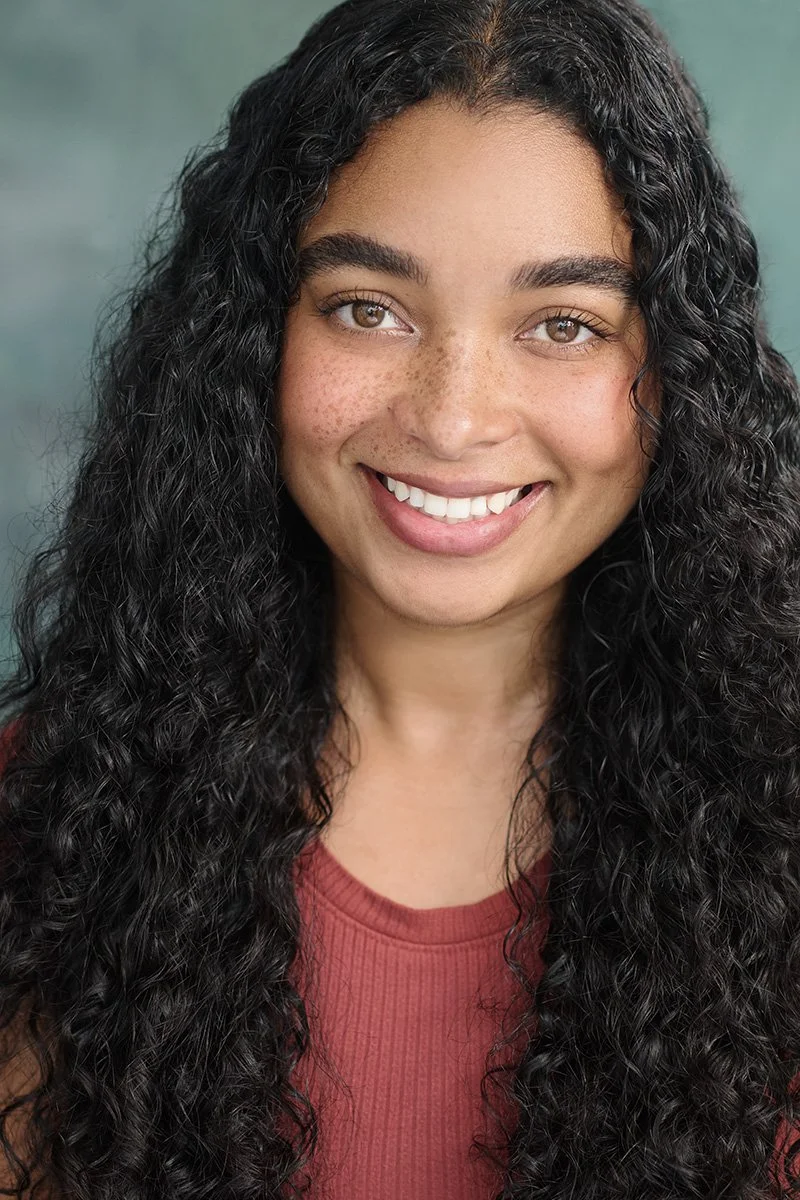
Why preparation matters more than the camera
Your photographer controls lighting, lenses, and framing. You control whether the person in the frame matches the roles you want.
When casting directors invite you in, they expect the person who walks into the room—or appears on a self-tape—to closely match the headshot they approved (Casting Companion). An outdated haircut, a costume-y outfit, or a “beauty” expression that is not how you audition creates mistrust in about two seconds.
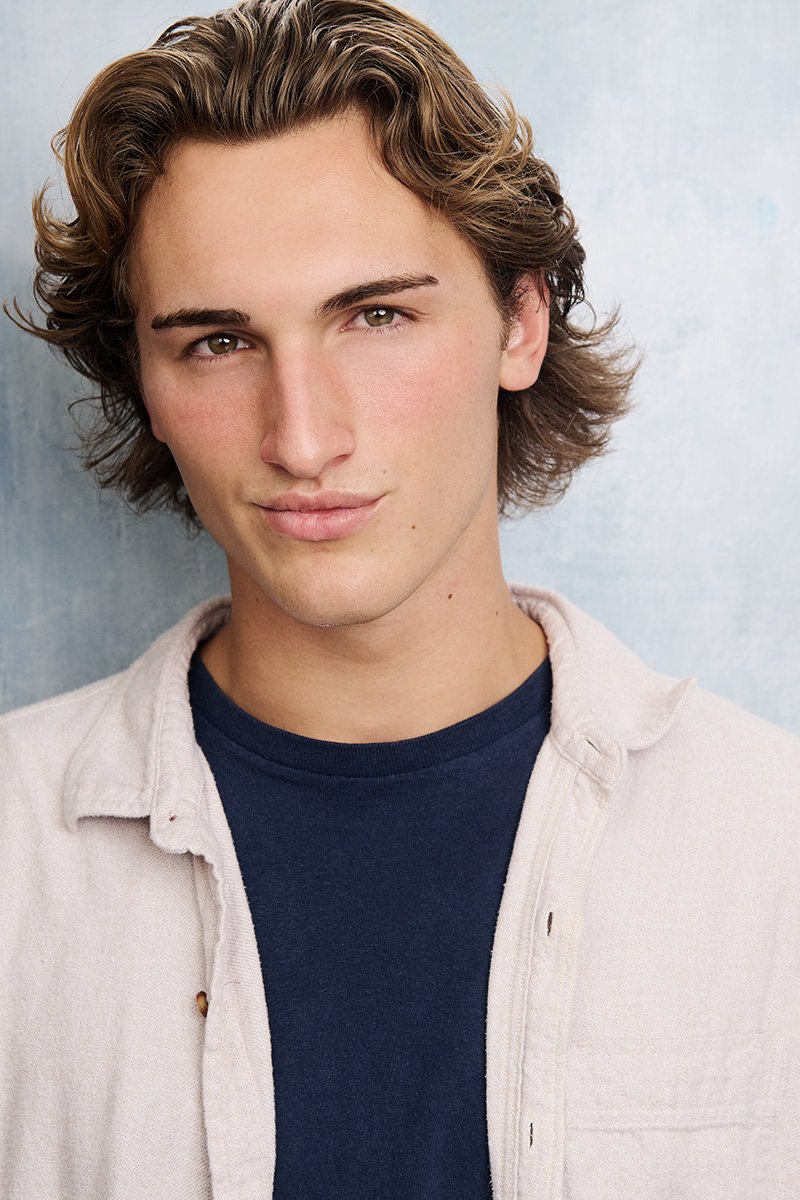
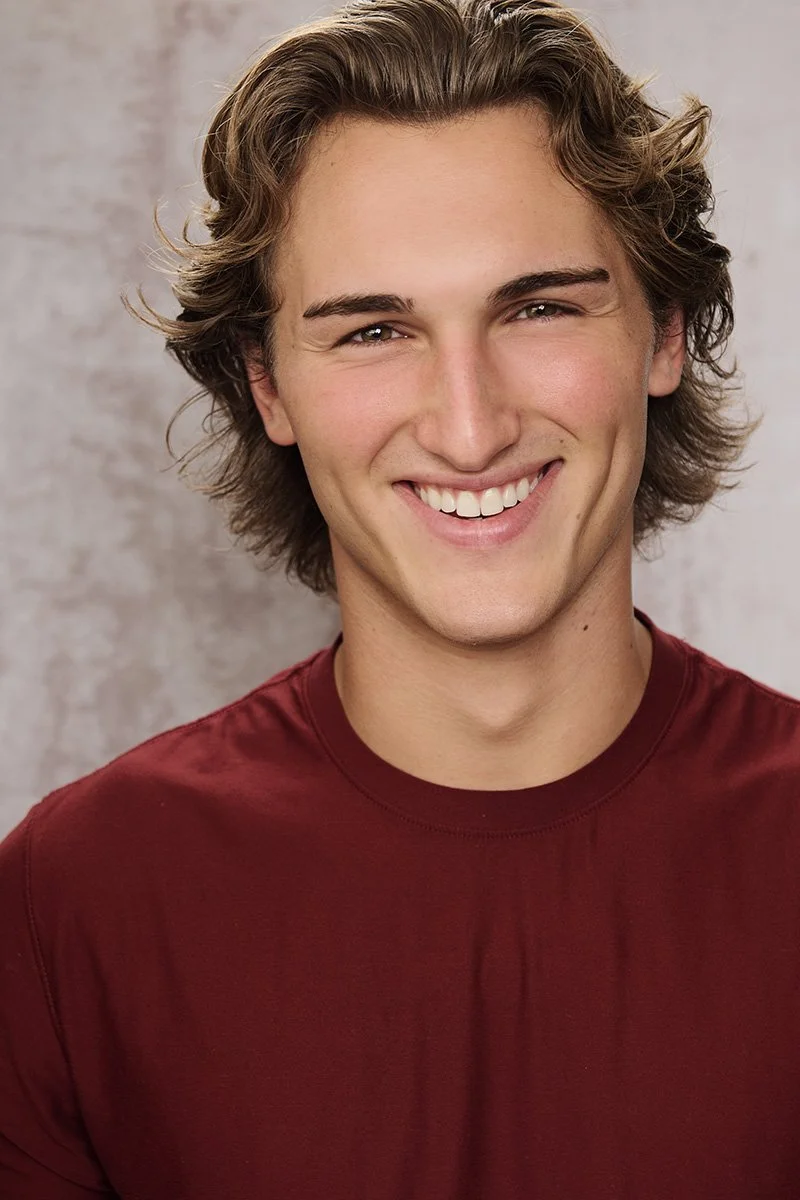
Preparation is also how you get range without chaos. Florida is a working market: commercials, industrials, regional film and TV, theater, and talent who also submit toward Atlanta, New York, and other East Coast hubs. Most actors here need both a commercial-friendly look and a theatrical (legit) look in the same session—not twelve nearly identical smiling portraits (Backstage: commercial vs. theatrical).
One week before: lock your “type story”
Before you shop or pack, write a short note to yourself (or your photographer) answering:
What roles do I book / want to book right now? Neighbor, coach, nurse, teen lead, villain adjacent, quirky best friend, authoritative professional, etc.
What age range do I actually read? Be honest. Casting will decide this from the photo and from meeting you.
Do I need commercial, theatrical, or both? In Central Florida, a strong commercial headshot is often the workhorse; theatrical still matters for film, TV, and stage (Backstage).
Has my look changed since my last shoot? Hair length or color, facial hair, glasses, weight, or age range shifts all matter.
Watch current commercials and the TV/film roles you want. Note the wardrobe, hair, and energy of people who look like your casting—not the celebrity you wish you were. Casting Networks’ commercial-headshot advice is blunt on this: plan looks that match how advertising actually casts types today, then show up ready to deliver those looks (Casting Networks).
If you have an agent or manager, send them a quick note about looks you plan to shoot. Representatives often have strong preferences, and aligning early saves a reshoot (Backstage wardrobe guide).
Wardrobe: dress for the roles, not for a fashion editorial
After booking, wardrobe is usually the first panic question—and the area where actors waste the most money.
Photographer Marc Cartwright’s Backstage wardrobe guidance is still the practical standard for actors (Backstage):
Dress for the type of roles you want. A three-piece suit does not help if you book as a college slacker. A plunging dress does not help if your agent needs salesperson-friendly commercial energy.
Do not wear costumes. Imply “doctor” or “detective” with a jacket and clean shirt—not a stethoscope and a prop badge. Overly specific wardrobe limits how many roles the photo can sell.
Bring options that tell different stories. For each look, bring two or three pieces—not the same shirt in three colors.
Avoid pale washouts and busy distractions. Clothes that blend into your skin tone, plus logos, big patterns, ruffles, and statement jewelry, pull attention off your face.
Fit matters. Ill-fitting clothes read as careless in a close-up.
Skip sheer fabrics unless you have a non-distracting layer underneath. Skip brand-new stiff clothes you have never worn—you want to move and breathe.
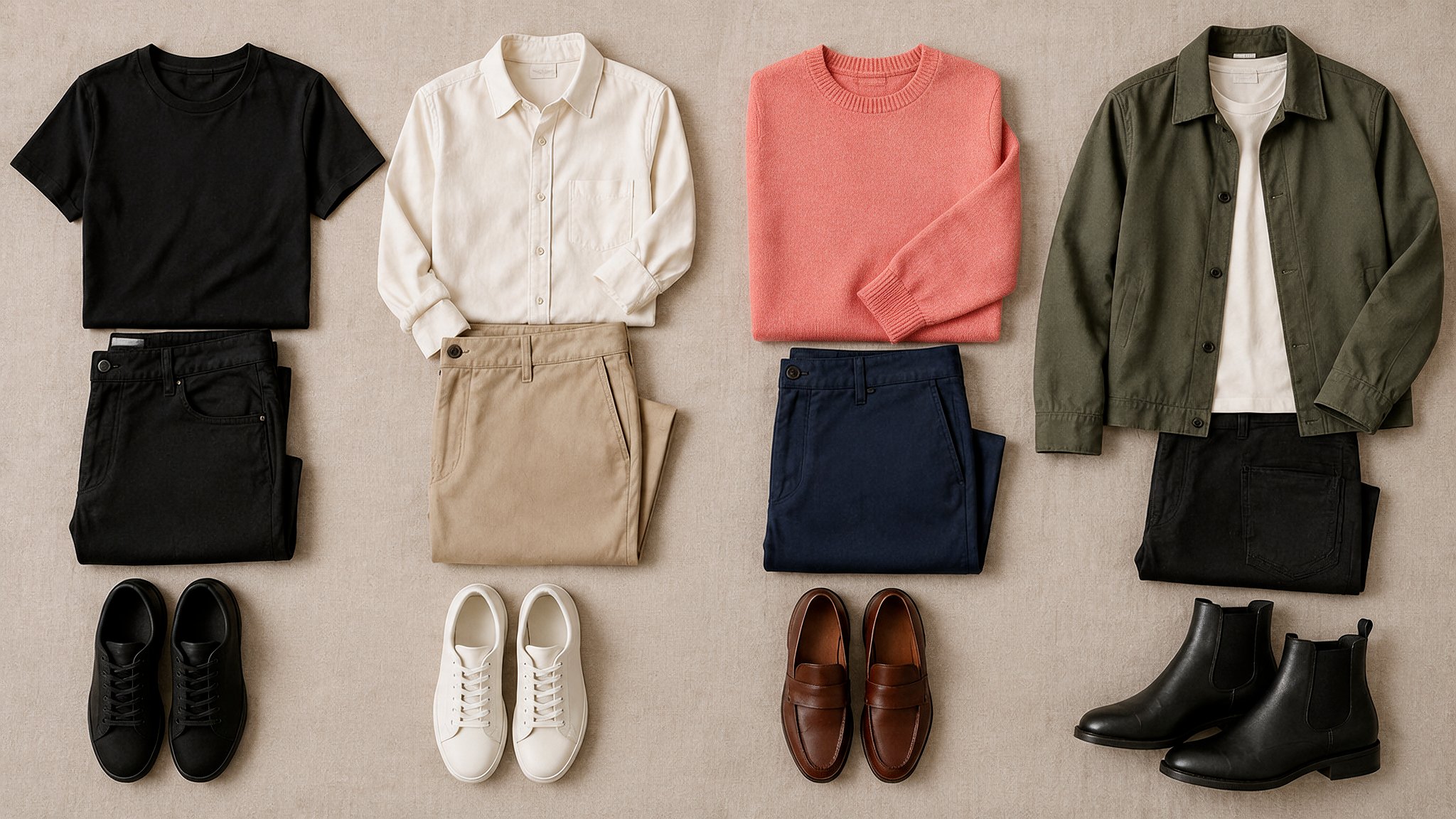
Pack distinct looks and match your colors to your types.
For a deeper wardrobe breakdown, use the studio’s free wardrobe guide linked from the site, then treat this article as your session-day game plan.
Hair, makeup, and grooming: look like you on a good day
The goal is recognition, not transformation.
Backstage’s wardrobe and makeup notes emphasize that camera lighting can wash you out; matte, natural makeup (bronzer, blush, soft definition) helps you look awake without becoming someone else (Backstage). Hair should be how you actually wear it to auditions and self-tapes—not a once-a-year updo you cannot recreate on set.
Practical grooming checklist:
Schedule haircuts 5–10 days before the shoot so length settles (not the morning of).
If you color your hair, finish color early enough that tone looks natural under studio light.
Men: decide facial hair before the session and keep it consistent with how you submit.
Bring translucent powder if you get shiny; studio lights and Florida humidity are real.
Skip heavy contour and false lashes that change your eye shape in photos.
Temporary blemishes can often be softened in retouching; permanent features (freckles, moles, laugh lines) should stay—casting wants the person who walks in (Backstage retouching guidance; Spotlight).
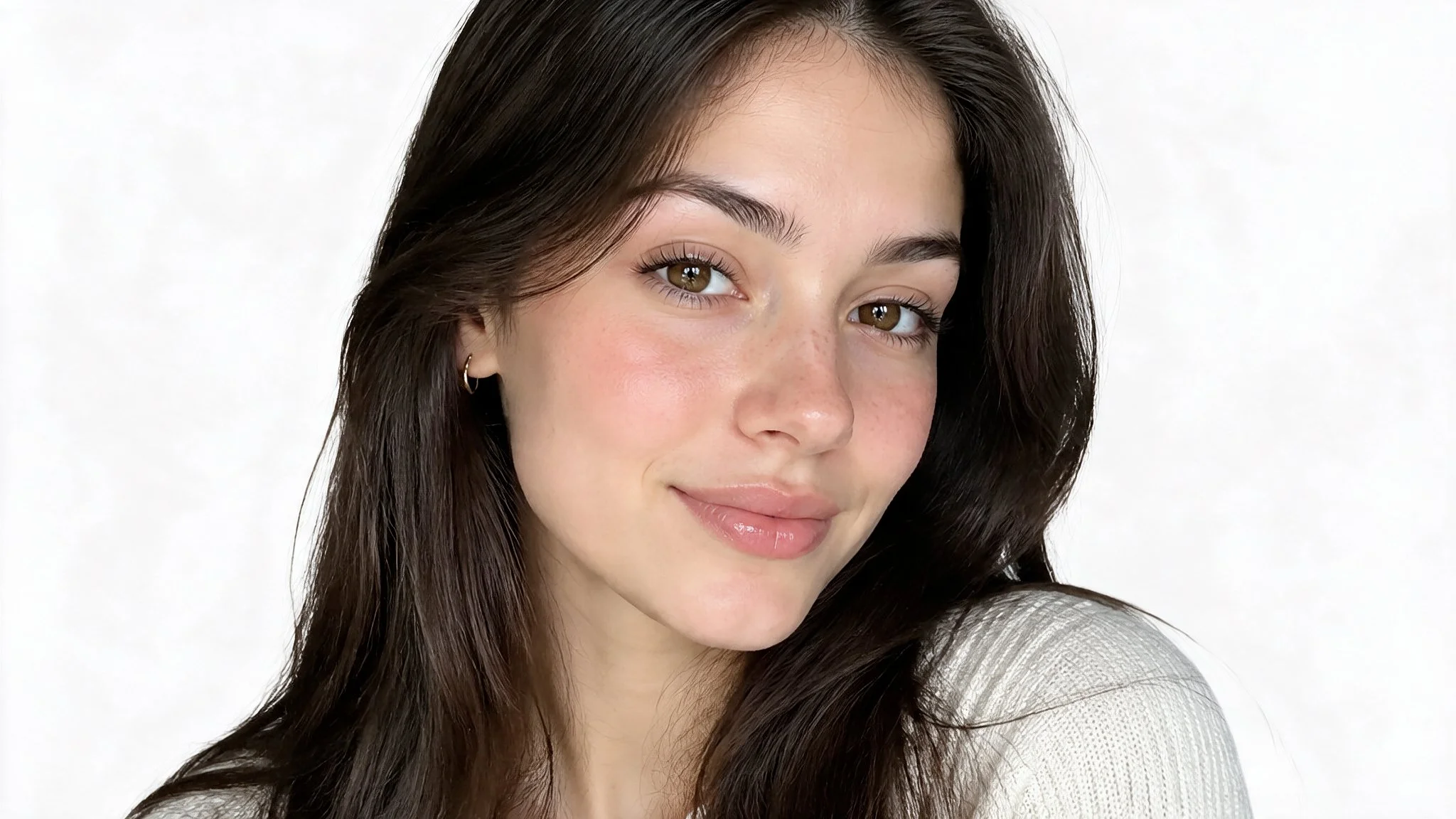
Camera-ready still means recognizable.
Sleep, water, and timing: the unglamorous performance prep
Treat the session like an important audition—because it is the visual résumé that gets you into the room.
Advice collected in Backstage’s “commandments” for a successful headshot session includes basics actors still skip: hydrate, avoid alcohol the night before (it shows under the eyes), get sleep for a few nights leading up, and book a time of day when you are sharp—not when you are usually grumpy or rushing from work (Backstage: 8 commandments).
Night-before / morning-of:
Drink water; keep caffeine reasonable so you are not jittery.
Eat a normal meal so you are not lightheaded mid-session.
Leave early. Stress shows in the jaw and eyes first.
Bring a lint roller, blotting papers, a water bottle, and a small sewing kit or safety pins for wardrobe emergencies.
Day-of packing list (print this)
Bring more than you think you need, then let the photographer edit the pile down.
3–5 tops / layers for distinct looks (solids; varied necklines)
Optional jacket or cardigan for theatrical / professional looks
Clean, simple jewelry only (or none)
Hair products you normally use + brush / comb
Makeup for touch-ups (or your artist’s kit if you booked one)
Glasses if you wear them for roles (and contacts if you shoot both ways)
Phone notes: your type list and any agent notes
Comfortable shoes you can stand in (they rarely show)
Kids and teens: pack a change, snacks, and keep the session shorter and playful. Young faces change quickly; parents should prioritize accuracy and comfort over “perfect” posing (Backstage on child headshots; Spotlight young performers).

Young performers: comfort and accuracy beat stiff posing.
During the session: act with the camera
Technical gear will not save a disconnected stare.
For theatrical work especially, Cartwright advises treating the camera like a scene partner—choose an objective (charm, intimidate, confide) instead of “holding a face.” Even a quieter theatrical expression needs emotional depth so the photo does not feel like someone staring at an X on the wall (Backstage: theatrical headshots).
Commercial energy is different: warmer, more open, often a real smile that reaches the eyes—not a pasted toothy grin. You can shoot both lanes in one session if wardrobe and intention change between looks (Backstage commercial vs. theatrical).
In-studio habits that help:
Soften your jaw and shoulders between takes.
Blink and reset your eyes; do not “freeze.”
Ask to see a couple frames early so you trust the light.
Say when a wardrobe piece feels wrong—your photographer would rather swap than keep shooting a look that fights your type.
Have fun on purpose. Tight mouths and faraway eyes read as tension; a real moment after a laugh often becomes a keeper (Backstage session commandments).
After the shoot: choose for casting, not for your mom’s fridge
When selects come in, use the same test agents and casting use:
Thumbnail test: Shrink the image. Do the eyes still pop? Does hair disappear into the background?
Recognition test: Would someone who met you yesterday know it is you?
Submission test: Which one photo would you attach if a Florida agency or East Coast CD asked for a single headshot today?
Lane test: Do you have clear commercial vs. theatrical options, or twelve versions of the same vibe?
Keep retouching natural. Soften temporary issues; do not reshape your face or erase what makes you castable (Backstage retouching).
Then update every profile where casting finds you—Actors Access, Casting Networks, agency packets, and your site—so the new work is actually working.
Quick prep timeline
7+ days out: Confirm commercial vs. theatrical goals; check with agent if you have one
5–10 days out: Haircut / color if needed
3–4 days out: Pull wardrobe; try everything on camera with phone light
1–2 days out: Sleep, hydrate, steam/iron clothes, pack kit
Night before: Lay out looks; avoid alcohol; charge phone; set alarms
Session day: Eat something healthy, arrive early, stay loose, change intention with each look
FAQ: preparing for an actor headshot session
How do I prepare for an actor headshot session?
Confirm the roles you want to book, plan commercial and/or theatrical looks, pack solid non-costume wardrobe options, groom so you still look like yourself, sleep and hydrate, and treat the camera like a scene partner once you are shooting (Backstage; Casting Networks).
What should I wear to an acting headshot session?
Simple, well-fitting solids that support your type. Avoid logos, busy patterns, costumes, and clothes that wash you out. Bring multiple looks that tell different stories (Backstage wardrobe guide).
Should I smile in my headshots?
For commercial and comedy-leaning work, a genuine smile that reaches the eyes is often useful. Theatrical / dramatic looks usually favor a more grounded expression with still-alive eyes—not a blank stare or a forced “intense” face (Backstage theatrical tips).
Do I need makeup for actor headshots?
Wear what helps you look awake and like yourself under studio light. Heavy contour or glam that you would never wear to an audition works against casting accuracy (Backstage).
How is preparing for Florida headshots different?
The fundamentals are national, but Florida actors often need a strong commercial look ready for a busy regional market, plus theatrical options if they submit for film, TV, and theater—or send to East Coast casting. Accuracy and digital-ready files matter as much as style.
What if I am shooting kids or teens?
Prioritize comfort, shorter sessions, and current appearance. Young performers change quickly; a stiff, over-directed photo helps less than a natural, accurate one (Backstage).
Ready to book?
If you are in the Orlando / Central Florida area—or traveling in for East Coast–facing submissions—come prepared with your type list and wardrobe options, and we will build commercial and theatrical looks that casting can actually use.
Book your actor headshot session with Eldeen Annette Headshots or explore more guides on what Florida talent agents look for and commercial vs. theatrical headshots on the studio blog.