
If you only remember one thing, remember this: commercial and theatrical headshots do different jobs.
A commercial headshot helps casting picture you in an ad—warm, trustworthy, “I’d buy what they’re selling.” A theatrical (sometimes called “legit”) headshot helps casting picture you in a scene—layered, grounded, emotionally available. Industry guides treat them as distinct tools, not two filters on the same smile (Backstage: commercial vs theatrical; Backstage: everything you need to know).
That distinction matters even more if you are based in Florida and submitting locally and toward Atlanta, New York, and other East Coast casting. Agents and casting directors in those markets still sort talent by type and by medium. One generic “nice portrait” rarely covers both lanes.
What is a commercial headshot?
A commercial headshot is built for advertising and brand work: national and regional spots, industrials, lifestyle campaigns, and many “friendly neighbor / helpful expert” roles.
The same actor might need different commercial energy for different targets—for example, “broke college student” versus an upscale professional look—so the wardrobe and vibe should match how you actually book.
Commercial headshots usually aim to communicate: approachability and trust; warmth and energy that feel alive; a clear, relatable type casting can place quickly.
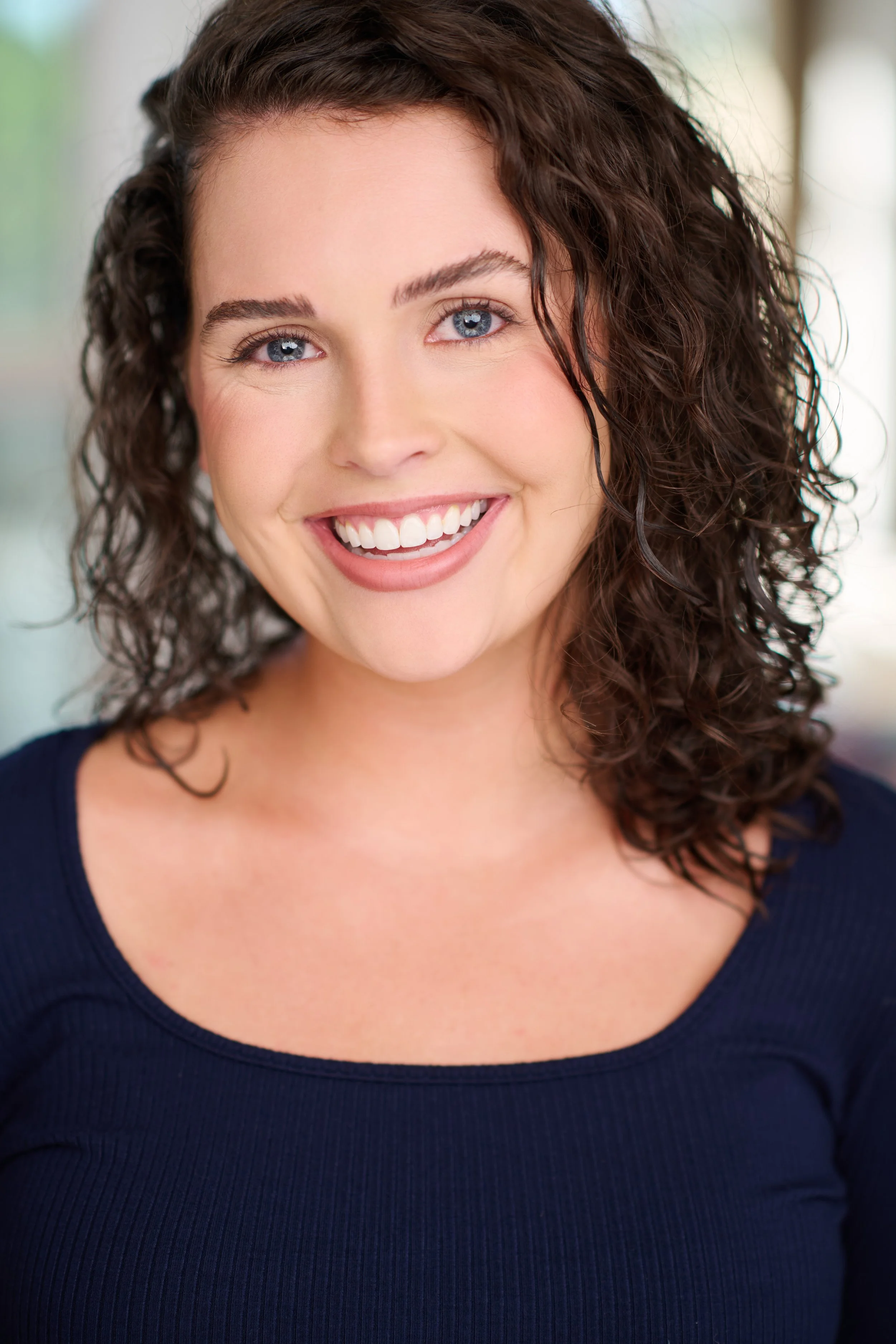
Here are some examples of commercial headshots—they are colorful, well-lit, and always very friendly.


What is a theatrical headshot?
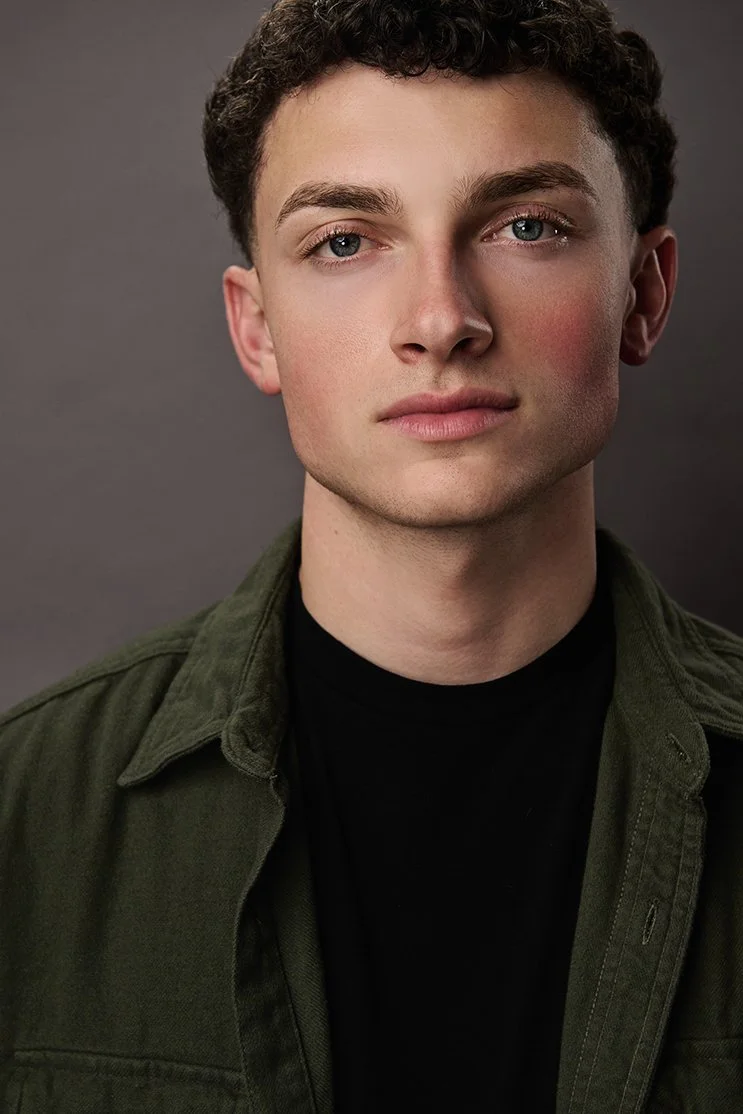
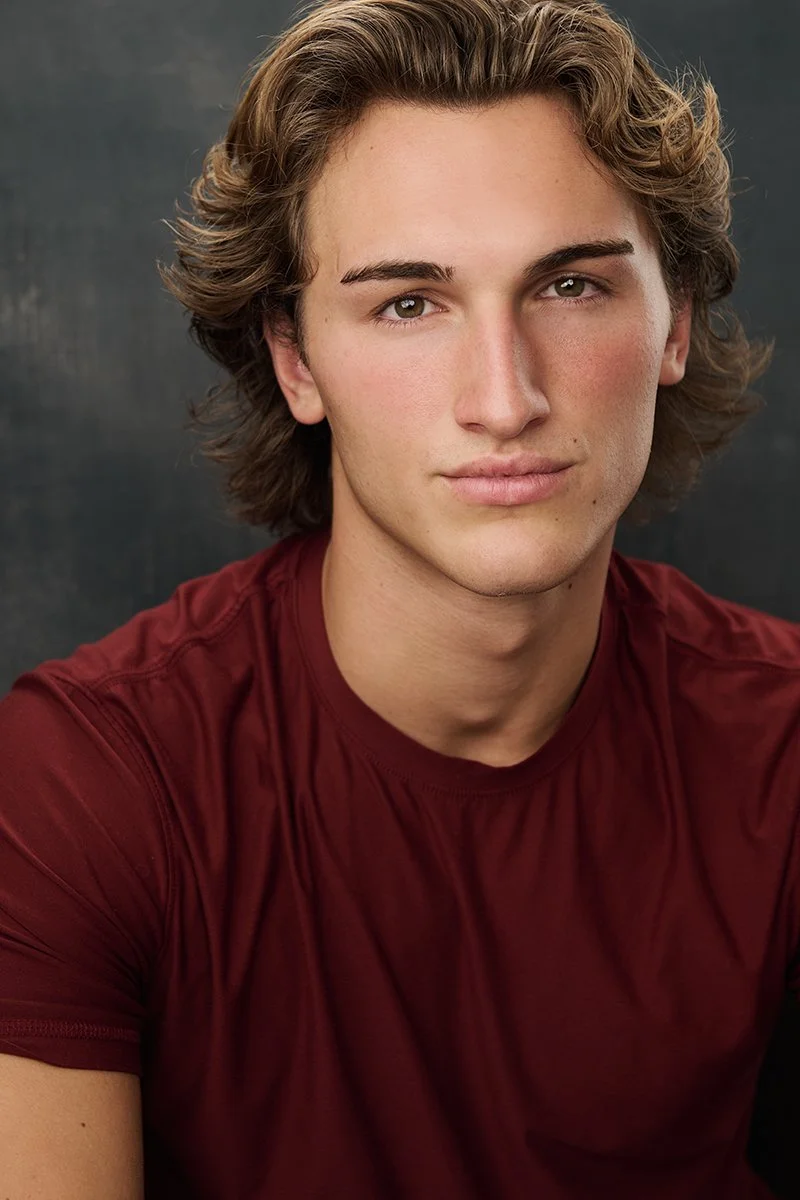
A theatrical headshot is geared toward dramatic theater, television, and film casting.
In theatrical shots you want to see layers of an actor’s personality. Commercial shots lean on trustworthiness to help sell a product; theatrical shots sell an identifiable personality type—whether or not that type is “nice” (Backstage).
Lighting and posing will be customized depending on the specific type. Theatrical headshots do not necessarily mean moody lighting or serious expressions.

Expression: to smile or not?
Commercial: For most types, smiling is a highly preferred by casting and agencies. Your smile should feel warm, natural, and like you have nothing to hide. Agencies tend to prefer face-forward headshots for commercial expressions.
Theatrical: Often non-smiling, but it depends on your roles. A knowing smirk or vulnerability in the eyes can say more than a stern “serious actor” face. Warm eye contact with a subtle closed-mouth smile can still read theatrical when the feel stays grounded (Backstage: theatrical tips).
Rule of thumb: Commercial = open and inviting. Theatrical = specific and present.

Wardrobe agents notice
Commercial: Colors that pop and feel warm; match the demographic you book; skip logos and trendy pieces that date the photo. Avoid pastels and dark tones.
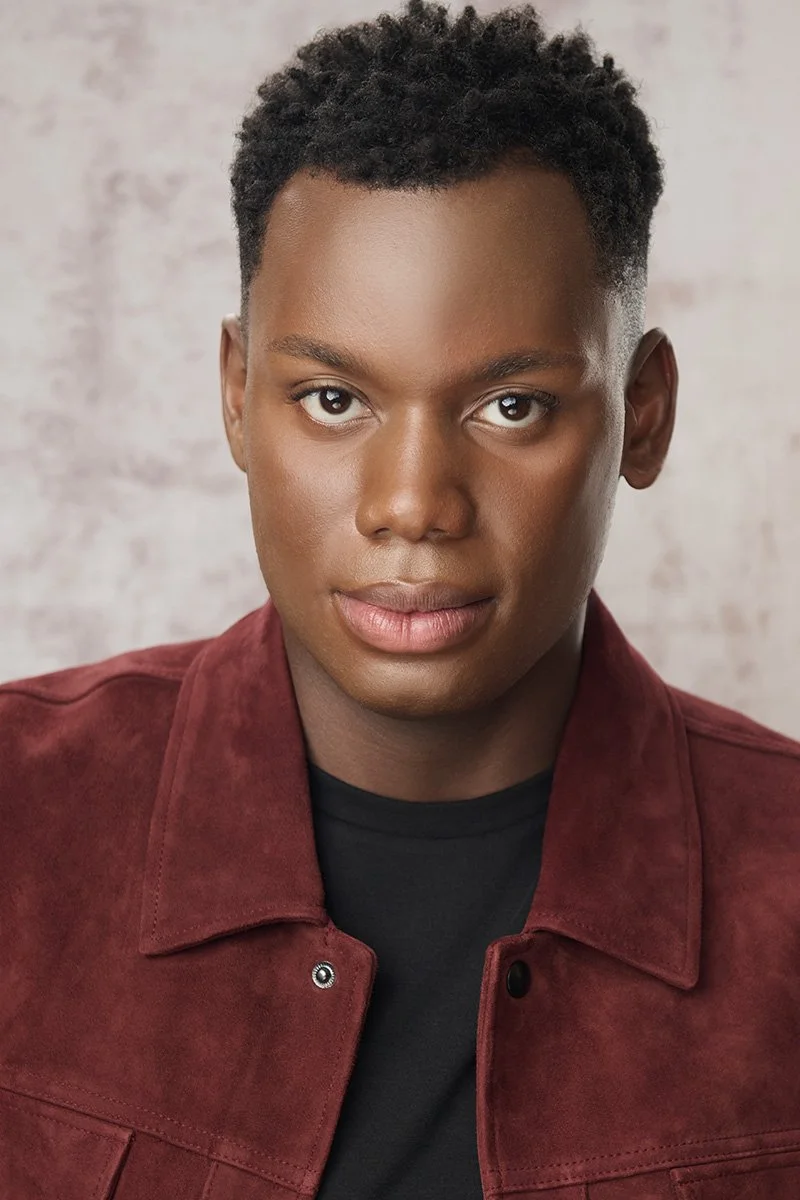
Theatrical: Earthy or muted tones with enough richness so the shot doesn’t go muddy; imply doctor/lawyer/detective without a full costume when a simple jacket-and-shirt covers multiple types. Ask your agent before you shop looks when you are signed.


Lighting and background
Commercial: Bright, cheerful, non-distracting; avoid heavy mood shadows (Backstage: commercial tips).
Theatrical: More room for contour—but squint at the thumbnail. If your hair disappears into a dark background, the shot fails in the gallery where casting looks first (Backstage: theatrical tips).
Comedy / sitcom headshots
A comedic headshot sits between commercial and theatrical—light and personality-forward, with humor that is specific (dry vs. quirky) without going cartoony unless that is your act (Backstage). Many actors start with strong commercial + theatrical and add comedy later.
Do Florida / East Coast actors need both?
Usually yes if you want film/TV and commercial work (Backstage).
Florida mixes regional/national commercial production, film/TV and theater (often via Atlanta or remote self-tape), plus theme-park and industrial jobs that lean commercial. East Coast–facing submissions to Atlanta and New York still sort by commercial vs theatrical intent. Clean, accurate, clearly typed shots travel better than over-retouched “pretty” portraits.
How many looks?
Primary commercial
Primary theatrical
Optional comedy if that is how you book
Optional second lean your agent wants
Full body / 3⁄4 when agencies expect it
Kids/teens: same commercial vs theatrical thinking, wardrobe stays youthful and natural. Update often as they grow.
Common mistakes
One smile for everything · theatrical = angry · commercial = fake grin · costume theatricals · over-retouching · muddy dark-on-dark thumbnails.
FAQ
Main difference? Commercial sells approachability for ads; theatrical shows depth for film/TV/theater.
Only want film/TV? Lead theatrical, but most agents still want a commercial option.
Never smile in theatrical? Not a hard rule—grounded presence matters more.
Florida submitting to NY/ATL? Accurate, current, clearly typed; avoid heavy beauty retouching.
Kids? Yes in concept—brighter vs grounded—age-appropriate and natural.
Both in one session? Yes—wardrobe changes and expression coaching for both reads.
Get both looks right in Orlando
At Eldeen Annette Headshots, acting sessions include commercial and theatrical expressions (and comedy when it fits), with direction aimed at Florida casting and East Coast–facing submissions. Book a session or ask your coach about student partnership rates.
Sources
Commercial vs theatrical · Commercial tips · Theatrical tips · Everything you need to know · When to update